
A Smart Pick for Many Low-Slope Business Roofs
Choosing EPDM roofing for commercial roof projects often makes sense when a building needs a tough, simple, and long-lasting roof system. It works very well on many low-slope roofs, holds up in changing weather, and can be easier to maintain than some other options. For many property owners in Scotch Plains, NJ, the best choice comes down to roof shape, building use, budget goals, and how much foot traffic the roof will get.
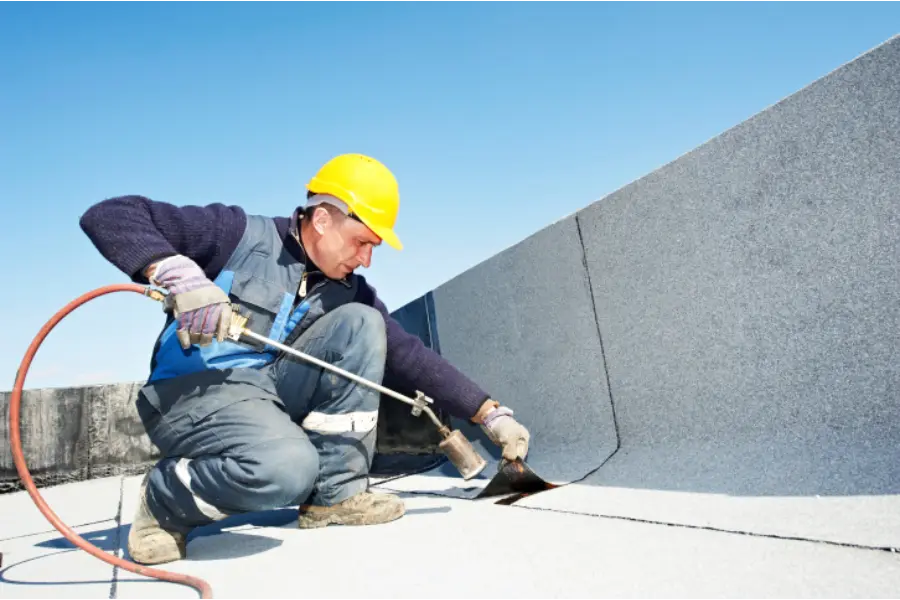
Quick Decision Answer
EPDM roofing is often a strong choice for commercial buildings with wide, flat, or low-slope roof areas. It is known for flexibility, weather resistance, and solid lifespan when installed the right way. If your project needs a roof membrane that can handle sun, rain, and temperature swings, this system is worth a close look. It can also be a good fit within a broader roofing plan for offices, warehouses, schools, and retail buildings.
Still, it is not the best answer for every job. Some buildings need higher puncture resistance, better looks from upper floors, or stronger performance around heavy rooftop equipment. That is why the roof design and building use matter so much before making a final call.
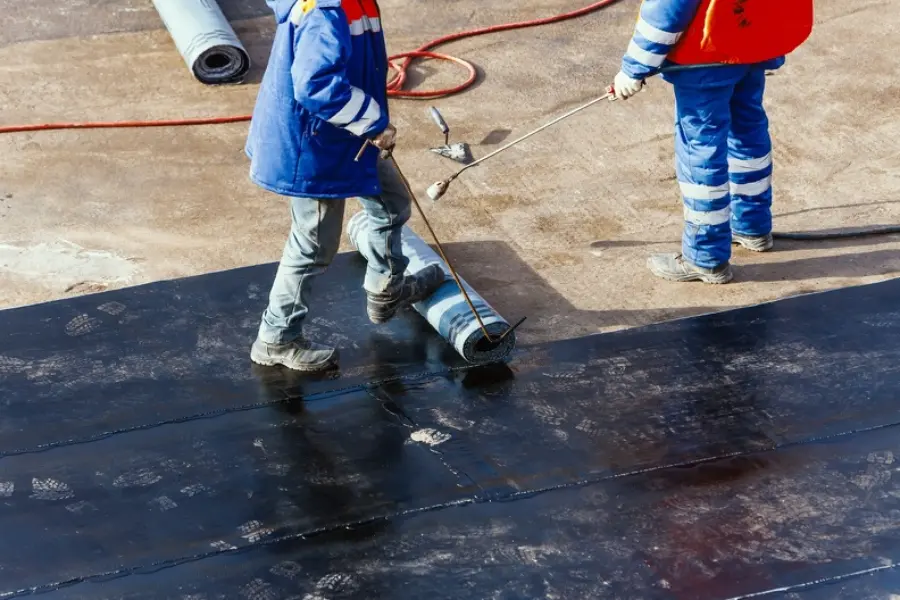
Option a Vs Option B Criteria
When people compare EPDM roofing to other commercial systems, they usually want to know how it performs in daily use. The main points are roof slope, climate, repair needs, and the type of activity on the roof. A low-slope building with light foot traffic may be a great match. A roof packed with service crews and equipment may need extra protection.
Here are a few simple checks that help with the choice:
- Check the roof slope and drainage pattern.
- Review how often workers access the roof.
- Look at nearby trees, debris, and drainage points.
- Think about heating and cooling needs inside the building.
- Ask how easy future repairs need to be.
- Review the full roofing system, not just the top layer.
If the building has a simple roof layout, EPDM roofing can be very practical. If the roof has many penetrations, curbs, and units, detail work becomes a bigger part of the decision.
Pros and Cons List
Every roof system has strengths and trade-offs. EPDM roofing is no different. Knowing both sides helps avoid a poor fit.
- Pros: strong weather resistance on low-slope roofs
- Pros: flexible material that handles temperature changes well
- Pros: repairs can be fairly direct in many cases
- Pros: good track record on many commercial buildings
- Cons: dark membranes can absorb heat unless the design addresses it
- Cons: punctures can happen from dropped tools or heavy traffic
- Cons: seams and flashing details need skilled installation
- Cons: appearance may not match every design goal
These points matter most when the building owner wants long service life with simple upkeep. If the roof sees light use and has a clean layout, the pros often stand out more clearly.
Best Fit by Scenario or User Need
EPDM roofing tends to fit large commercial roof projects where function matters more than style. Warehouses are a common example. They often have broad roof areas and fewer complex details, which makes this membrane a sensible option. Office buildings can also be a good match, especially when the roof structure supports a low-slope design.
It may also work well for schools, medical offices, and small shopping centers. These buildings often need reliable protection with manageable maintenance. If the owner wants a roof that has been used for many years across many property types, EPDM roofing checks that box.
On the other hand, a building with frequent rooftop service work may need walkway pads or added protection. A restaurant with many vents and units may need more detail planning. If energy goals are a major factor, the roof assembly should be reviewed as a full system, including insulation and surface performance.
Mistakes People Make When Choosing
One common mistake is focusing only on the membrane and not the entire roof assembly. The insulation, attachment method, flashing work, drainage plan, and edge details all affect results. A strong membrane alone cannot fix poor design choices under it.
Another mistake is ignoring roof traffic. Even a durable system can wear faster if service teams walk the same paths over and over with no protection in place. Property owners also run into trouble when they skip regular inspections. Small seam issues or punctures can grow into bigger leaks if left alone.
Some people also assume all commercial roof systems perform the same. They do not. The right choice depends on how the building is used each day. A quiet storage building and a busy mixed-use site can need very different solutions.
Final Decision Checklist
Before choosing EPDM roofing, run through this short checklist:
- Is the roof low-slope or nearly flat?
- Will the roof have light, moderate, or heavy foot traffic?
- Does the building have many penetrations or rooftop units?
- Is easy repair a high priority?
- Are long-term maintenance plans in place?
- Has a trained commercial roofer reviewed the full system?
If most of these answers line up well, EPDM roofing could be a very solid fit. It is often a practical balance of durability, flexibility, and day-to-day performance for commercial properties.
Get Help With the Right Roof Choice
If you are planning a commercial roof project in Scotch Plains, NJ, we can help review the building’s needs and explain the options in plain language. At Afrim Roofing of Scotch Plains, we focus on roof systems that fit the property, the layout, and the long-term plan. Call us at (908) 445-6665 and we will help you decide whether EPDM roofing is the right match for your project.