
Why This Roof System Performs Well in Heat, Wind, Rain, and Hail
TPO roofing handles extreme weather by reflecting heat, resisting water, and standing up well to wind when it is installed the right way. It is a single-ply membrane used on many flat and low-slope buildings. In places like Scotch Plains, NJ, strong sun, heavy rain, and sudden storms can test any roof. A well-made system can help limit leaks, reduce surface heat, and protect the building during rough weather.
Quick Answer
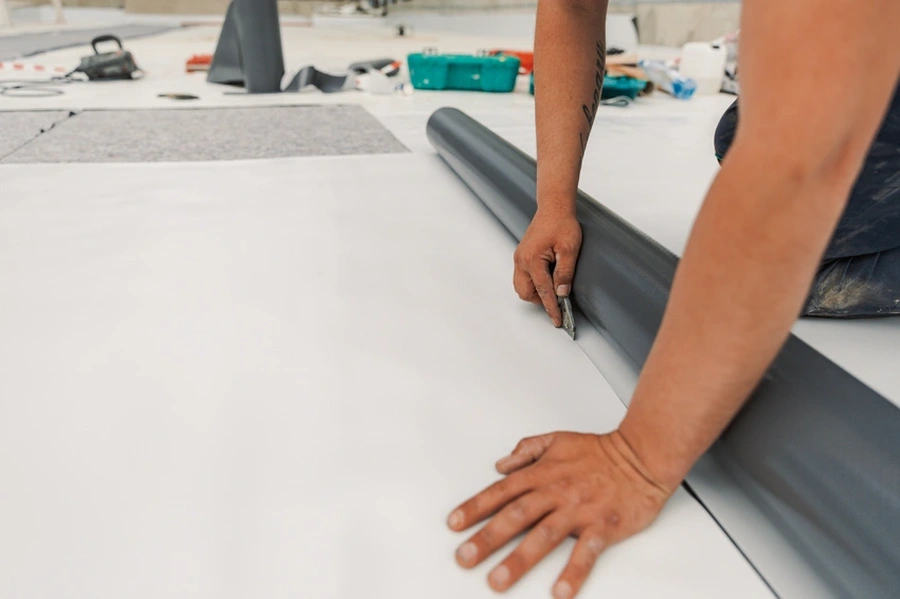
TPO roofing is built to deal with several weather problems at once. Its white or light-colored surface reflects sunlight, which helps with hot days. Its seams are heat-welded, which helps block water from getting in. It also has flexibility, so it can move with normal building changes during hot and cold weather. This makes it a solid choice for many commercial properties and other buildings with low-slope roofs.
What You Need Before Starting
Before judging how well TPO roofing will handle harsh weather, it helps to look at the full roof system. The membrane is only one part. Insulation, fasteners, flashing, drains, and edge details all matter too. The service category keyword may be broad, but in roofing work, every layer affects performance. A roof with good materials but poor seam work can still fail in a storm.
It also helps to know what kind of weather the building gets most often. A roof in a hot, sunny area has different stress than one facing hail, ice, or heavy wind. The roof’s age matters as well. A newer membrane with strong seams will usually perform better than an older roof with worn edges and clogged drains.
Step-by-Step Process
When people ask how TPO roofing handles extreme weather conditions, the best way to explain it is step by step.
- It reflects sun and heat. The membrane surface helps bounce back sunlight, which lowers heat buildup.
- It sheds water. Flat roofs are not fully flat, so water moves toward drains. A well-installed membrane helps keep that water out.
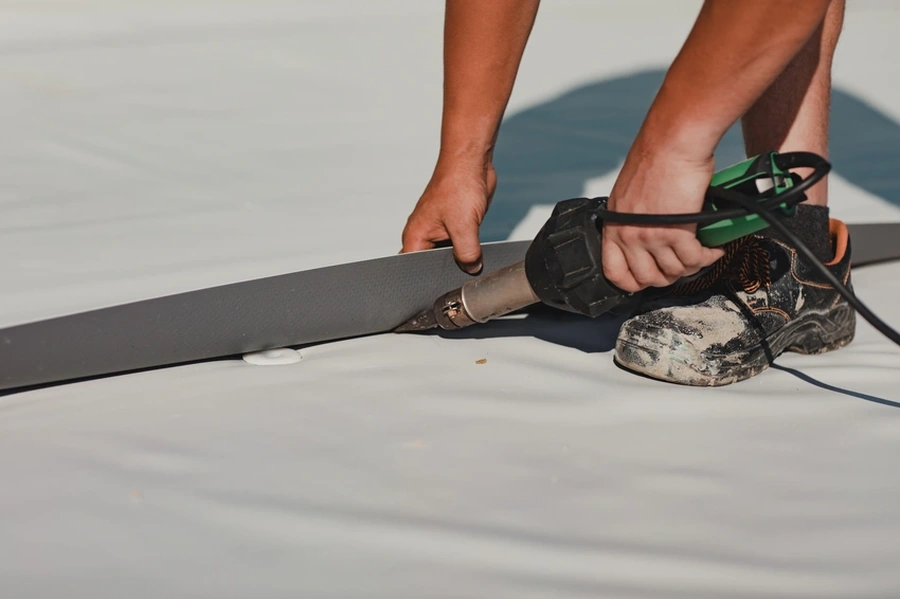
- It uses welded seams. Heat-welded seams join sheets together and create strong bonds against rain and moisture.
- It resists wind uplift. Fastening patterns and secure edge details help the roof stay in place during high winds.
- It handles normal movement. The membrane can flex as the building expands and contracts with temperature changes.
- It adds a layer of defense. Flashing around vents, curbs, and roof edges helps protect weak spots during storms.
During hot weather, the reflective surface is one of the biggest benefits. During rain, the welded seams matter most. During wind events, the attachment method and perimeter strength become very important. During hail, results depend on hail size, membrane thickness, and what sits under the membrane.
Common Mistakes to Avoid
One common mistake is thinking all flat roof systems perform the same. They do not. TPO roofing can do very well, but only if the full system matches the building and local weather. Another mistake is ignoring drainage. Even strong roofing materials can have trouble if water sits on the roof for long periods.
Some owners also wait too long to fix small problems. A lifted seam, loose flashing, or clogged drain may not seem serious at first. During the next storm, though, that small issue can turn into a leak. Poor foot traffic control is another problem. Sharp tools, dropped parts, and heavy service traffic can damage the membrane and make it weaker before bad weather arrives.
When to Call a Professional
It is smart to call a roofing professional after any major weather event, especially if the area had hail, strong wind, or heavy water. A roof can look fine from the ground and still have split seams, punctures, or edge damage. A trained inspection can catch these issues early.
You should also get help if you see water stains inside, bubbling on the membrane, loose metal edging, or standing water that stays too long after rain. If the roof is older, regular inspections matter even more. Professional checks can help extend roof life and lower the chance of surprise repairs.
- Call after hail or wind storms
- Call if you see interior leaks
- Call if drains clog often
- Call if seams look open or raised
- Call if ponding water keeps returning
Final Recommendation
At its best, TPO roofing gives a building a strong mix of heat reflection, water protection, and storm resistance. It is not magic, and it is not the right fit for every roof, but it performs well in many tough weather conditions when the design and installation are done right. For owners trying to protect a low-slope building, the best move is to pair quality materials with routine inspections and fast repairs when problems show up.
Get Help With Your Roof
If you are dealing with storm damage or want a roof check in Scotch Plains, NJ, reach out for help. We can inspect the membrane, seams, drainage, and edge details for signs of trouble. Contact Afrim Roofing of Scotch Plains to talk about the next steps. Call us at (908) 445-6665 to schedule service or ask questions about your roof.