
Why Expert Work Helps Your Roof Last Longer and Perform Better
Professional installation matters because rubber roofing must be placed, sealed, and finished the right way from the start. A small mistake can lead to leaks, trapped moisture, loose seams, or early wear. For homes and buildings in Scotch Plains, NJ, good installation helps the roof hold up better through rain, heat, wind, and daily exposure. It also helps protect the roof deck under the membrane and lowers the chance of repairs soon after the job is done.
Quick Decision Answer
If you are choosing between expert work and a do-it-yourself approach, expert installation is usually the better choice for rubber roofing. This roofing system may look simple on the surface, but every layer matters. The roof deck must be clean and dry. The membrane must be measured and laid flat. Seams must be tight. Flashing around vents, edges, and drains must be sealed the right way. If one part is off, the whole system can suffer.
Professional Installation Vs Do-It-Yourself Work
When people compare these two options, the main question is often about results over time. A do-it-yourself job may seem faster at first, but many roofs fail because of uneven surface prep, bad seam work, or poor drainage planning. A trained crew follows a process that helps the membrane stay secure and watertight.
- Professional installation often includes proper deck prep
- It helps seams bond better and stay closed
- It lowers the chance of leaks around roof details
- It can help the roofing system last closer to its expected life
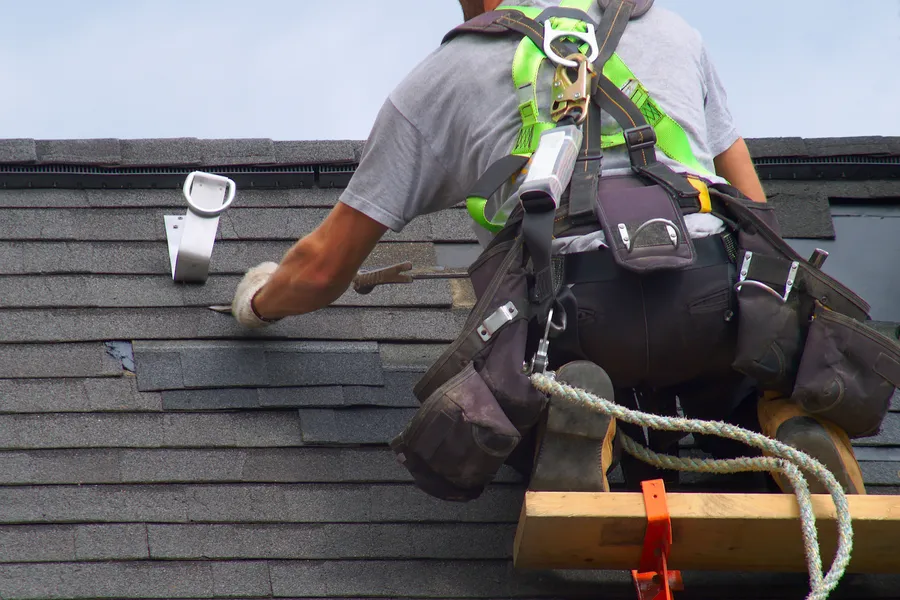
- It supports safer work practices on the roof
This also applies to the wider roofing field. Even if the service category keyword is not listed here, the same idea fits most flat and low-slope roof systems. Good installation habits make a big difference.
Pros and Cons List
Both options have clear upsides and downsides. Looking at them side by side can help you make a smart choice.
- Professional work: better seam quality, stronger flashing, cleaner drainage setup, less guesswork
- Professional work: higher skill level for complex roof shapes and details
- Do-it-yourself work: may seem to save money at the start
- Do-it-yourself work: more room for mistakes that lead to repairs
- Do-it-yourself work: safety risks when walking, lifting, and working near edges
The biggest benefit of professional installation is consistency. Rubber roofing depends on smooth application and tight sealing. Trained installers know how weather, slope, and roof design affect the material. They also know how to handle corners, pipes, skylights, and drains where leaks often start.
Best Fit by Property and Roof Condition
Professional installation is the best fit for most homes, offices, and commercial buildings with flat or low-slope roofs. It is even more helpful when the roof has several penetrations, old damage, ponding water, or soft spots in the deck. These problems can hide under the surface. If they are missed, a new membrane may fail much sooner than expected.
A simple shed roof with clear access might seem like a fair project for a handy owner. Still, many people underestimate how exact the layout and seam work must be. Even one wrinkle can collect water. One weak edge can peel back in strong wind. One bad flashing point can let water move under the membrane.
Mistakes People Make When Choosing
One common mistake is thinking all flat roof materials install the same way. Rubber roofing has its own methods, tools, and adhesives. Another mistake is focusing only on the membrane itself and not the whole roof system. The underlayment, insulation, edge detail, and drainage setup all affect performance.
People also make the mistake of hiring based only on the lowest bid. A lower price can sometimes mean rushed prep work, poor sealing, or skipped detail work. Those issues may not show up right away. Months later, the roof can start leaking, bubbling, or pulling apart at the seams.
- Check the condition of the roof deck first
- Ask how seams and flashing will be handled
- Ask how drainage issues will be addressed
- Make sure the crew has experience with rubber roofing
- Ask what steps are taken to protect the building during installation
Final Decision Checklist
If you are deciding what route to take, use a simple checklist. Think about roof size, slope, age, access, and the number of roof details. Then think about the risk of leaks if the work is done wrong. For many property owners, that risk alone makes professional installation the better choice.
It also helps to think past the install day. A well-installed rubber roofing system can be easier to maintain and less likely to need early patchwork. Good workmanship supports better water control, longer membrane life, and fewer surprise problems after storms.
Get Help With the Right Next Step
For property owners in Scotch Plains, NJ, we can help you figure out whether your roof is a good fit for rubber roofing and what kind of installation approach makes sense. Afrim Roofing of Scotch Plains focuses on careful roof work and clear advice. Call us at (908) 445-6665 if you want us to take a closer look and help you plan the next step.