
Clear Warning Signs Your Roof May Need a Full Upgrade Soon
If your roof has many leaks, missing shingles, sagging spots, or heavy storm damage, it may be time for roofing replacement. Small repairs can help for a while, but some roofs reach a point where patch work no longer makes sense. In Scotch Plains, NJ, weather, age, and poor drainage can all wear a roof down faster. Knowing the signs early can help you avoid water damage, mold, and higher repair bills inside your home.

Quick Diagnosis Summary
A roof often gives warning signs before it fails. You may see cracked shingles, dark streaks, soft spots, or bits of roofing material in the gutter. You may also notice stains on ceilings or walls. If these problems keep showing up, roofing replacement may be the better fix instead of another small repair. The goal is to stop damage before it spreads to the wood deck, attic, insulation, and other parts of the home.
Common Symptoms
Some warning signs are easy to spot from the ground. Others show up inside the house. A single issue does not always mean you need a whole new roof, but several signs at once usually point to a bigger problem.
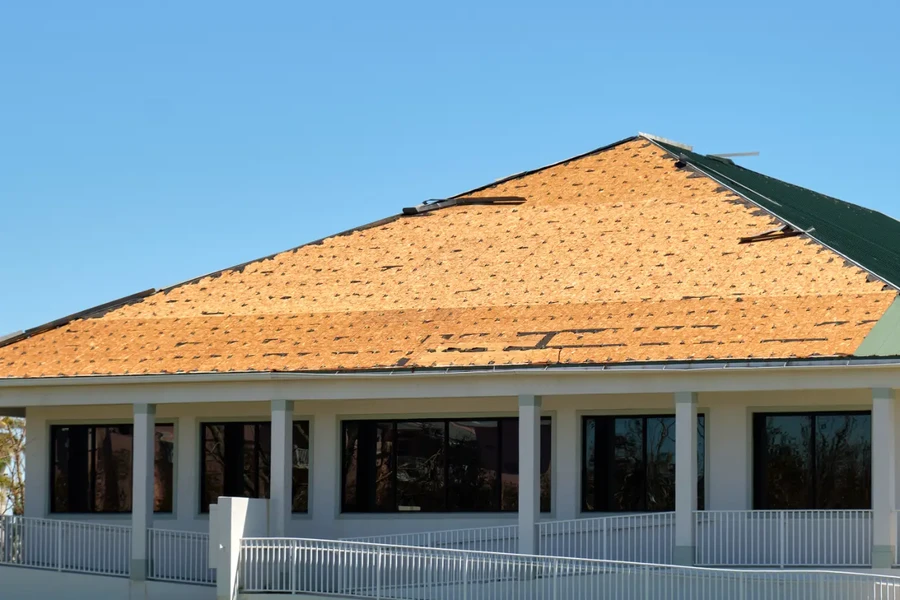
- Shingles are curling, cracking, or missing
- Granules collect in gutters or near downspouts
- The roof looks uneven or sags in one area
- Water stains appear on ceilings or walls
- Daylight shows through the attic boards
- Moss or algae keeps spreading across the roof
- Leaks return after more than one repair
- Your roof is near the end of its expected life
These signs often mean the roofing system is wearing out as a whole. That can include shingles, flashing, underlayment, and roof decking. If the damage is spread over a wide area, a full replacement is often the safer path.
Likely Causes
Roofs do not fail for just one reason. In many homes, years of sun, rain, wind, and temperature swings slowly break materials down. Storms can speed that process up fast. Poor attic airflow can also trap heat and moisture, which can age shingles early and warp wood below them.
Bad installation is another common cause. If flashing was not set right around vents, chimneys, or valleys, water can sneak under the surface. Clogged gutters can push water back onto the roof edge. Ice, fallen limbs, and standing water can also wear the roof out. Even if the top layer looks fair from the ground, hidden damage may be growing underneath.
Your service category may also include related exterior work, and that matters here. Problems with siding, gutters, or attic ventilation can make roof issues worse over time. A roof does best when the full outside shell of the home works together.
What to Check First
Start with a simple visual check from a safe spot on the ground. Do not climb onto the roof unless you have the right training and safety gear. Look for missing shingles, bent flashing, and low spots. Then check inside the attic for damp wood, mold smells, or water marks.
- Walk around the home and look for visible roof damage
- Check gutters for shingle granules and debris
- Look at ceilings for stains or peeling paint
- Inspect the attic for moisture, light, or soft wood
- Write down the age of the roof if you know it
- Take photos of problem spots to compare later
This basic check can help you tell if the issue looks small or more widespread. If damage appears in several places, that is a strong sign that roofing replacement may be close.
Safe Fixes Vs Pro-Level Fixes
There are a few safe things a homeowner can do. You can clear leaves from gutters, look for signs of indoor water damage, and move items away from leaks. You can also place a bucket under drips and call for help fast. These steps help limit damage while you wait.
Major roof work should be left to trained crews. Replacing shingles, sealing flashing, fixing sagging sections, or checking hidden wood damage is not simple. A roof can be slippery, steep, and unsafe. It also takes skill to tell when a repair will hold and when a full replacement is the smarter choice. If the roof deck is soft or the leak source is hard to find, pro-level help is the safer answer.
Prevention Tips
You cannot stop a roof from aging, but you can slow damage down. Regular checks and basic upkeep help catch problems early. That can stretch the life of your roof and reduce the chance of a sudden leak during bad weather.
- Clean gutters so water can drain away
- Trim tree limbs that hang over the roof
- Check the attic after heavy rain
- Watch for loose shingles after wind storms
- Schedule roof inspections every so often
- Fix small leaks before they spread
Prevention works best when done before a problem gets large. If your roof is older and has had many repairs, it may still be nearing the point where roofing replacement makes more sense than continued patch jobs.
Final Recommendation
If your roof shows repeated leaks, storm damage, missing shingles, or signs of sagging, do not wait too long to act. In Scotch Plains, NJ, changing weather can make roof problems worse in a short time. At Afrim Roofing of Scotch Plains, we can inspect the damage, explain your options, and help you decide if roofing replacement is the right next step. Call us at (908) 445-6665 to set up a visit and get clear guidance for your home.