
How This Roofing Material Helps Flat Roofs Last Longer and Stay Safer
rubber roofing plays a big part in flat roof durability and protection because it helps block water, handle sun exposure, and stay flexible as temperatures change. On a flat roof, standing water and seam problems can lead to leaks fast. A rubber membrane helps lower those risks when it is installed the right way and checked over time. For many buildings in Scotch Plains, NJ, this type of roof covering is a solid choice for long service life and simple care.
Why Durability and Protection Matter on Flat Roofs
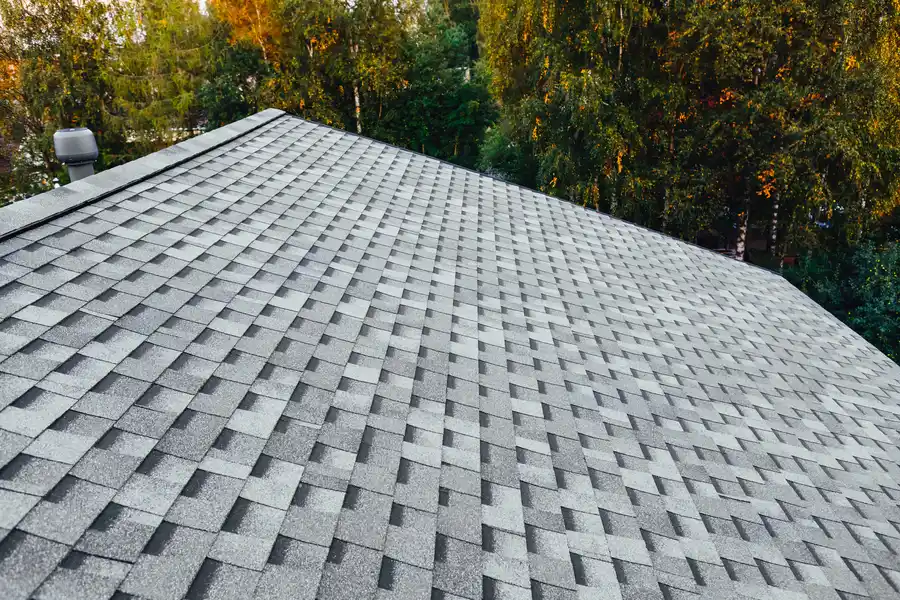
Flat roofs face different problems than steep roofs. Water does not run off as quickly. Debris can sit longer. Heat from the sun can wear down weak materials. That is why the roof surface matters so much. rubber roofing creates a tough layer over the roof deck. It helps stop water from getting into the building and helps the roof move a little without cracking when the weather changes.
This is useful on homes, offices, and other service category jobs with low-slope roof areas. When the roof surface stays sealed, the parts under it are less likely to rot, stain, or grow mold. That can help the whole building stay in better shape.
What Makes Rubber Roofing Work Well
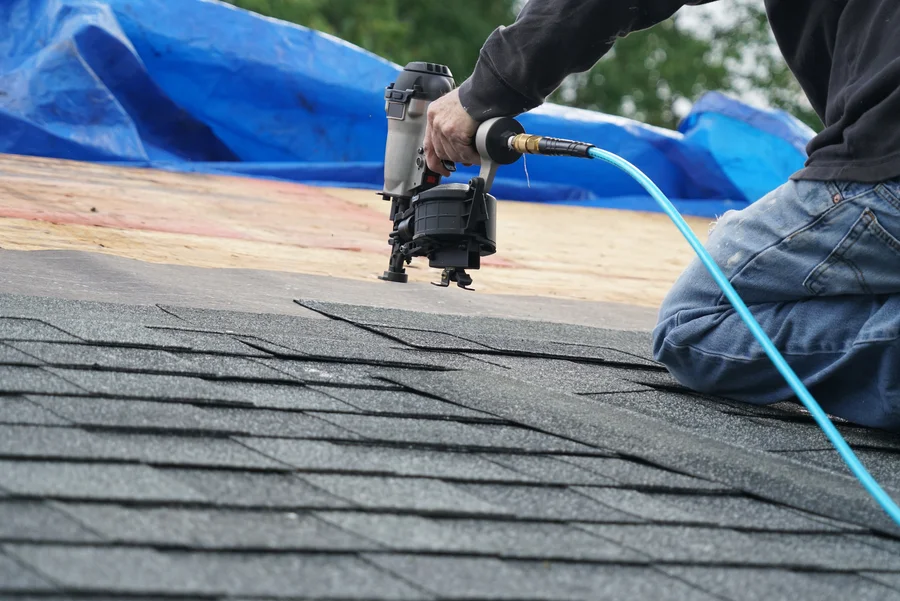
One reason rubber roofing is popular is its flexibility. Some roofing materials get brittle with age or cold weather. Rubber can stay more flexible, which helps it handle normal roof movement. Buildings shift a little over time. Hot days and cold nights also cause expansion and contraction. A roofing surface that can move with the building is less likely to split.
It also does a good job with water protection. Flat roofs need a surface that can resist pooling water and slow wear. A properly sealed rubber roof can reduce leak points, especially around seams, drains, vents, and edges. It can also stand up well to sunlight, which helps slow breakdown from UV rays.
Pros and Cons to Keep in Mind
Like any roofing material, rubber roofing has good points and weak spots. Knowing both sides helps people make a better choice.
- Good water resistance for low-slope roofs
- Flexible in hot and cold weather
- Can last many years with proper care
- Often easier to patch than some other systems
- Helps protect the roof deck from moisture damage
There are also a few downsides. Sharp tools, heavy foot traffic, or storm debris can damage the surface. Poor installation can lead to open seams or trapped moisture. If drainage is bad, even a strong roofing system may wear faster. The material matters, but the full roof design matters too.
Best Fit by Building Type and Roof Use
rubber roofing is often a good fit for buildings with wide flat or low-slope sections. It works well when the main goal is strong weather protection and long-term value. A small retail building, garage addition, school wing, or apartment roof can all benefit from a membrane that stays flexible and resists water.
It can be a smart option for owners who want a roof that is practical instead of decorative. On a roof with basic equipment, limited foot traffic, and decent drainage, this material often performs well. It may be less ideal where there is heavy rooftop use, frequent tool work, or many sharp edges that can wear the membrane.
Mistakes People Make When Choosing a Flat Roof System
Many people focus only on the surface material and forget the full roof setup. A durable membrane helps, but it cannot fix weak insulation, poor drainage, or bad flashing. Another common mistake is choosing based only on short-term cost and not on service life, repair needs, or weather exposure.
Some owners also assume flat roofs are fully maintenance free. That is not true. Even a strong rubber roof should be checked from time to time. Leaves, clogged drains, seam wear, and punctures need attention before they turn into leaks. Small problems are easier to fix than hidden water damage.
Final Decision Checklist
If you are trying to decide whether rubber roofing makes sense for a flat roof, this simple checklist can help:
- Check the roof slope and drainage pattern.
- Look at the age and condition of the roof deck.
- Think about how much foot traffic the roof gets.
- Review local weather, sun exposure, and storm risk.
- Ask how seams, edges, and flashing will be sealed.
- Plan for roof inspections and basic upkeep.
- Compare long-term performance, not just the starting choice.
A roof system works best when the material matches the building’s needs. For many flat roofs, rubber roofing offers a strong mix of flexibility, weather protection, and dependable life span.
Get Help With the Next Step
If you are in Scotch Plains, NJ and want clear advice on a flat roof, contact us for guidance based on your building’s needs. At Afrim Roofing of Scotch Plains, we can inspect the roof, explain your options, and help you decide if rubber roofing is the right fit. Call us at (908) 445-6665 to set up a visit or ask questions about repairs, replacement, or ongoing roof care.