
A Smart Flat Roof Choice for Many Commercial Buildings
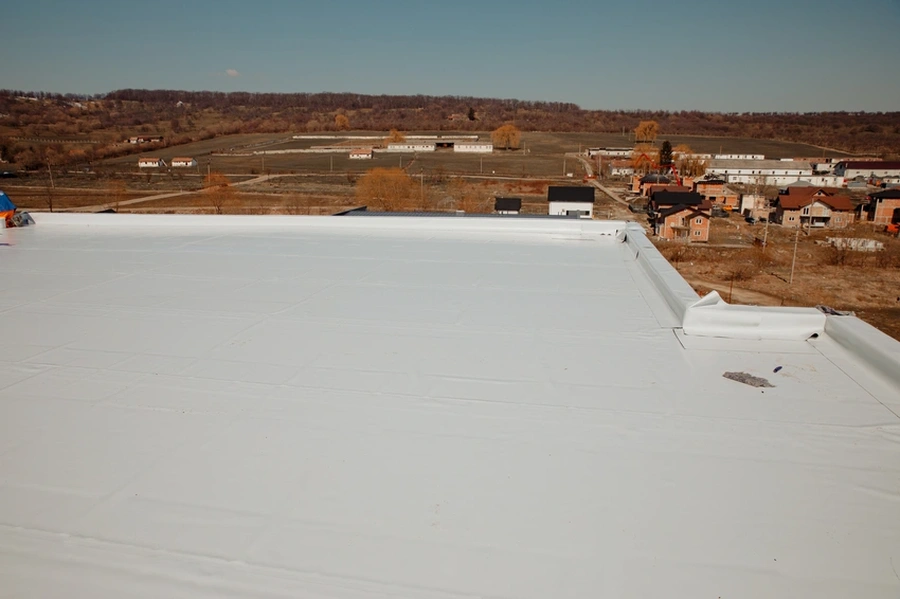
Many businesses choose TPO roofing for flat roofs because it is durable, energy efficient, and cost-friendly over time. It reflects heat, handles many weather conditions well, and works on a wide range of commercial buildings. For owners in Scotch Plains, NJ, that can mean a roof system that helps control indoor temperatures and stands up well to daily wear on busy properties.
Quick Decision Answer
If you are choosing between flat roof systems, TPO roofing is often a strong pick for businesses that want solid performance, easier maintenance, and good energy savings. It is used on offices, retail buildings, warehouses, and other service category properties. Many owners like it because it offers a clean balance of value, lifespan, and protection.
Option a Vs Option B Criteria
When businesses compare roof systems, they usually look at a few simple points. They want to know how long the roof may last, how it handles heat and rain, how easy it is to repair, and how it fits the building’s daily use. TPO roofing often gets attention because it checks many of these boxes.
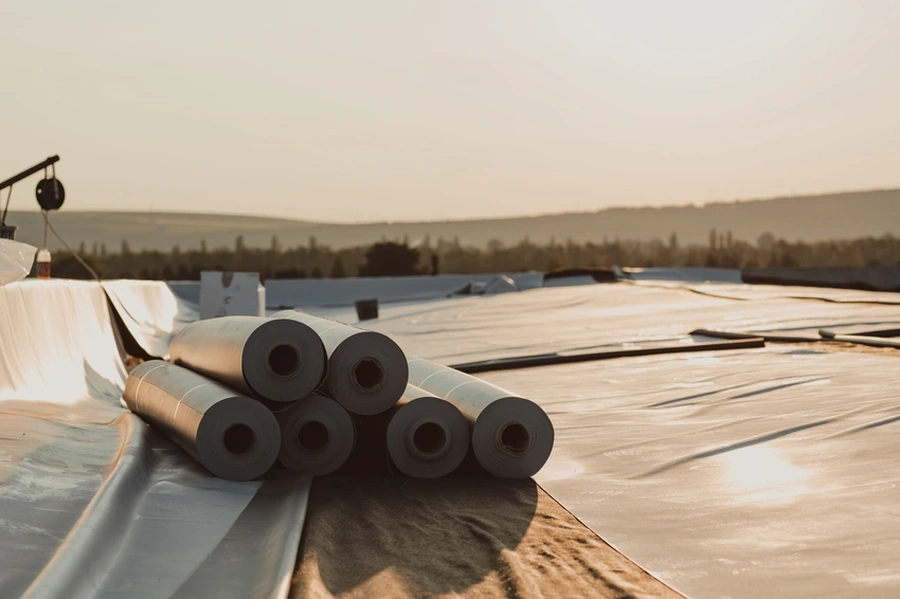
For example, some flat roof materials absorb more heat. That can make cooling bills rise in warm months. TPO roofing is known for its reflective surface, which helps reduce heat gain. Some systems may also need more frequent sealing or upkeep. Business owners often prefer an option that gives steady results without too much extra work.
Pros and Cons List
Like any roof system, TPO roofing has strengths and a few limits. Looking at both sides helps businesses make a better decision.
- Pros: reflects sunlight and heat
- Pros: works well on many flat and low-slope roofs
- Pros: seams are heat welded for strong bonding
- Pros: resists dirt, algae, and some punctures
- Pros: often lighter than some other commercial roof systems
- Cons: installation quality matters a lot
- Cons: roof traffic can still cause damage over time
- Cons: not every building has the same drainage needs
- Cons: older roofs may need prep work before installation
The big takeaway is simple. Businesses are not just buying a material. They are choosing how that roof will perform day after day. A good membrane roof should help protect stock, equipment, staff, and tenants without adding stress.
Best Fit by Scenario and Business Need
TPO roofing is often a good fit for buildings with wide flat roof areas. Warehouses, shopping centers, office buildings, and medical spaces can all benefit from a roof that reflects heat and handles rooftop equipment well. If a business runs cooling systems for long hours, a reflective roof surface may help with energy use.
It can also be a smart option for owners who want a roof that is fairly simple to maintain. A property manager may not have time for frequent roof issues. In that case, a clean, well-installed TPO system can be a smart match. It is also helpful for buildings where keeping indoor comfort steady matters, such as stores, schools, or workspaces with regular foot traffic.
On the other hand, every property is different. A roof with standing water problems, damaged insulation, or poor drainage may need extra work first. The right choice depends on the building shape, roof use, and long-term plans for the property.
Mistakes People Make When Choosing
One common mistake is focusing only on the material name and not the full roof system. A flat roof is more than the top layer. Insulation, drainage, flashing, seams, and edge details all matter. Even a strong product can fail if those parts are handled poorly.
Another mistake is ignoring how the roof will be used. Some commercial roofs see lots of foot traffic from maintenance crews. Others hold vents, units, pipes, and solar equipment. A business should think about real roof use, not just the basic square footage.
Some owners also wait too long to replace an aging roof. They may patch the same leak again and again. That can raise repair costs and lead to damage inside the building. It is often better to compare options early and plan before roof problems spread.
Final Decision Checklist
Before choosing TPO roofing, businesses should review a few basic questions:
- Is the building a good fit for a flat or low-slope membrane roof?
- Does the current roof have drainage or ponding issues?
- Will the building benefit from better heat reflection?
- How much rooftop traffic happens each month?
- Are there signs of trapped moisture under the old roof?
- Is the installer experienced with commercial flat roof systems?
- Does the owner want a roof that is easier to maintain long term?
This checklist helps narrow the choice. It also helps owners avoid quick decisions based only on short-term concerns. A roof should support the building’s needs now and later.
Final Recommendation
If your property has a flat roof and you want a system that offers energy savings, strong seams, and dependable performance, TPO roofing is often worth a close look. In Scotch Plains, NJ, weather, roof size, and building use all play a part in what works best. Contact Afrim Roofing of Scotch Plains to talk with us about your roof goals and call (908) 445-6665 to schedule a helpful inspection.